


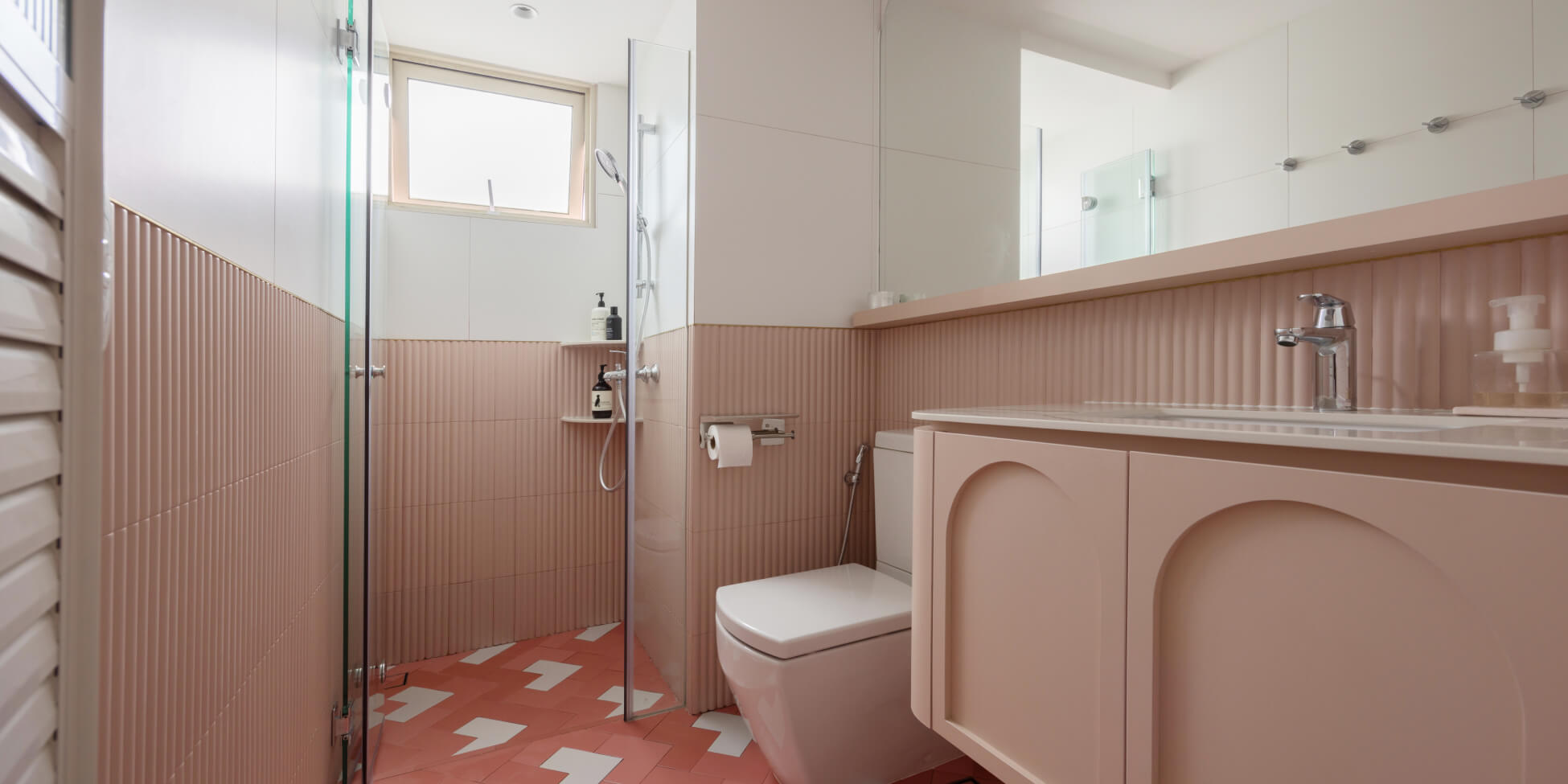
DIY renovations on your own home are a great idea! You have the freedom to do things exactly how you want to, when you want to, and save on costs — especially since renovation quotes in Singapore are ever-increasing and can run well into six figures.
But here's the truth: The line between a savvy DIY makeover and an expensive disaster is thinner than most homeowners realise. In Singapore, where units are stacked on top of each other, governed by MCST bylaws, and subject to BCA regulations, home renovation mistakes don't just cost you money. They could cost your neighbours money too.
This guide walks you through 7 of the most common and costly renovation mistakes Singapore homeowners make, why they happen, and exactly how to avoid them.
Mistake #1: Taking On DIY Renovation Beyond Your Skill Level
The Mistake
You've watched enough Youtube and pinned enough pins to feel confident, so you decide to handle it yourself. Electrical rewiring, hacking down a wall, or redoing the bathroom waterproofing? These are the jobs where DIY renovation mistakes get genuinely dangerous.
Why It Becomes Costly
Unlicensed electrical and plumbing work can result in BCA or HDB fines. If your DIY waterproofing fails and damages the unit below, you are liable, and those repair costs are on you. Rework is always more expensive than doing it right the first time.
How to Avoid It
Limit DIY renovation to cosmetic upgrades such as painting, styling, soft furnishings, and furniture assembly. The moment a job involves water, electricity, gas, or structural elements, engage a licensed professional.
If you're still deciding between handling renovations yourself or hiring professionals, understanding the differences between a renovation contractor, interior designer, and DIY renovation approach can help you avoid costly mistakes from the start.
Mistake #2: Underestimating the True Cost of Renovation
The Mistake
You get a quote that covers your tiles, cabinetry, and feature wall, and it looks manageable. What isn’t obvious are costs that sit beneath the surface: hacking and disposal, rewiring, waterproofing, permit fees, and appliances, light fittings, and soft furnishings that make a home liveable. These are rarely included in a base quote, but they're very much part of the renovation.
Why It Becomes Costly
Homeowners who miss these hidden costs often hit a wall mid-renovation, resulting in budget overruns or quality compromises at exactly the wrong stage, such as trying to save on waterproofing to protect the budget.
How to Avoid It
Add a contingency of at least 10–20% buffer to your budget. Always request itemised quotations so you can see precisely what is and isn't included. Before finalising your budget, list additional things you'll need to move in comfortably, including appliances, electrical points, window treatments, and all.
Mistake #3: Skipping Proper Planning and Design
The Mistake
Many homeowners begin renovation with a mood board and a general vision, but that's a starting point, not a plan. When detailed decisions are left to be made during construction, the consequences compound quickly. A common gap is carpentry planning: homeowners focus on layout and materials but forget to produce a dedicated plan for custom storage. Built-in wardrobes, TV consoles, and kitchen cabinets all need to be dimensioned and coordinated with electrical and lighting plans before work begins.
Why It Becomes Costly
Changes made during construction, called variation orders (VO), come with a price tag in both money and time. Home remodeling mistakes rooted in poor planning are almost always more expensive to fix than they would have been to prevent.
How to Avoid It
Finalise your layout, electrical plan, material selections, and carpentry plan before any physical work begins. Use 3D visuals or detailed drawings to pressure-test decisions in advance. Knowing the right questions to ask your renovation company before work starts is what keeps your plan from falling apart once it does.
Mistake #4: Choosing the Cheapest Contractor Without Thorough Evaluation
The Mistake
Price sensitivity is natural, but selecting a contractor based solely on the lowest quote is one of the most common home remodeling mistakes a homeowner can make. A low quote is often low for a reason. Cheaper contractors may cut corners on materials or price jobs at the bare minimum, with little buffer for unexpected site conditions or changes.
Why It Becomes Costly
Poor workmanship goes a long way: tiles that debond, carpentry joints that loosen, paintwork that peels. These recurring repair costs can, over time, exceed what you would have spent working with a reputable home renovation contractor from the start.
How to Avoid It
Compare quotations on an apple-to-apple basis — same scope, same specifications. Look at past projects, read reviews, and ask about warranties and after-sales support. A contractor confident in their workmanship will stand behind it.
Mistake #5: Bathroom Renovation Mistakes That Lead to Leaks
The Mistake
The bathroom is the most technically demanding room in a home renovation, and bathroom renovation mistakes are disproportionately expensive because of one thing: water. Inadequate waterproofing, incorrect floor gradients, and poor drainage planning are all extremely common. And none of them are visible once the tiles go down.
Why It Becomes Costly
In a strata property, a waterproofing failure doesn't just affect you. Water leaking through your floor becomes someone else's ceiling problem, and in Singapore, the unit above is generally held responsible. Rectification works require full hacking, re-waterproofing, and reinstating all finishes.
How to Avoid It
Insist on waterproofing that meets SS 525 standards, properly cured and tested with a water ponding test (which you can do on your own) before tiling begins. Verify floor gradients are sufficient, and use moisture-resistant materials throughout. If a contractor tells you proper waterproofing isn't necessary, walk away.
Mistake #6: Poor Electrical, Storage, and Future-Proofing Planning
The Mistake
Too few power plug points in the study. No allowance for a washer-dryer in the utility room. Insufficient storage planning. These DIY renovation mistakes are subtle because they don't create immediate problems — they create gradual ones, emerging the moment your lifestyle evolves beyond what your renovation planned for.
Why It Becomes Costly
These problems can only be solved by hacking into freshly finished walls or building additional carpentry, which is significantly more expensive once a renovation is complete.
How to Avoid It
Plan your electrical points and storage not based on what you have today, but on how you anticipate living. Walk through a typical day and map those habits onto your floorplan. Build in flexibility, especially for spaces like the study, kitchen, and utility room that tend to evolve with lifestyle.
Mistake #7: Rushing the Renovation Timeline
The Mistake
Everyone wants to move in quickly. You're already juggling rental costs, loan repayments, and anticipation. But compressing a renovation timeline creates pressure on contractors to skip critical stages: curing times for waterproofing and screeding, drying times for plaster and paint, quality checks between trades.
Why It Becomes Costly
Defects caught during construction are quick fixes. Defects discovered after you've moved in are disruptive and expensive, and in worst-case scenarios like waterproofing failures, they become someone else's problem too.
How to Avoid It
Build 2-4 weeks of buffer into your schedule beyond your contractor's stated timeline. Conduct thorough inspections at each key stage before the next begins. Don't approve a handover when defects remain outstanding.
Conclusion: Smart Renovation Is About Knowing When Not to DIY
DIY renovation can save money, but only when it's the right tool for the right job. The mistakes above aren't rare cases. They're patterns that emerge repeatedly, almost always from the same causes: Underestimating complexity, skipping planning, and prioritising short-term savings over long-term outcomes.
Every single one of these costly home renovation mistakes is preventable. Not with a bigger budget, but with better decisions made earlier.
It's More Than Just Design.
At Homescape, our role is to ensure that you get the design freedom you seek from DIY, without the costly mistakes.
Foundational preparation is as important as the aesthetic outcome. From waterproofing and electrical planning to carpentry coordination and contractor management, we make sure every layer of your renovation is done right, so the home you get is one you love, and one that’s built to last.