

When you walk into a beautifully designed home, you notice the textures, the colours, the way light falls across the space. But what you hear — or don’t hear — is just as important. Sound can completely transform how a home feels, whether it’s the hum of morning playlists in the kitchen or the warmth of movie dialogue in the living room.
That’s where a well-planned multi-room audio system comes in — and where interior design plays a bigger role than most people think.
This blog article is part of our collaboration with Sonos by TC Acoustic, in our shared vision to design homes that not only look good but also feel alive with extraordinary sound.
How Interior Design Choices Influence Sound
Every material, surface, and furnishing affects how sound behaves. Some bounce it back, others soak it in — and when you combine them thoughtfully, you create a balanced acoustic environment that enhances your listening experience.
Here’s how design decisions can make (or muffle) the magic.
1. Flooring and Walls: Reflective vs. Absorptive
Have you ever noticed that when you walk into a room with marble floors and bare walls, every footstep seems to echo? That’s because hard, reflective surfaces — marble, granite, tile, or glass — bounce sound waves around. It can make music feel energetic and bright, but too many reflective finishes can create that hollow, reverberating effect, making lyrics or dialogue sound less clear.
On the other hand, soft materials like carpets or upholstered wall panels absorb sound waves, reducing echo and creating a sense of warmth and intimacy. This is why a carpeted bedroom feels quieter and more cocooned than a tiled one.
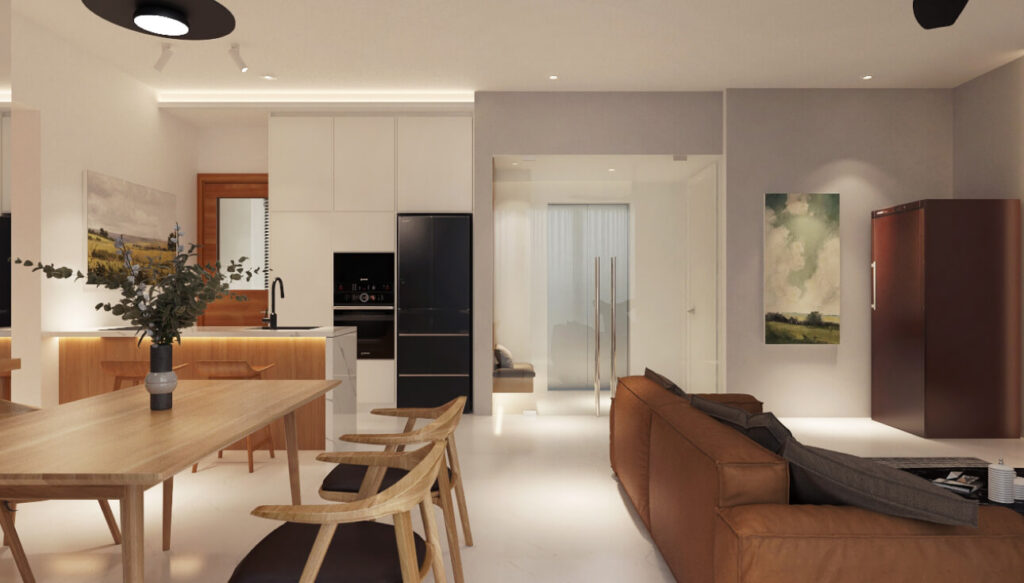
Kean, Homescape: In open-concept homes, a good balance matters. You might have a stone surface countertop or backsplash in the kitchen for easy cleaning, but complement it with a rug or textured wall in the living area to reduce reflections. Similarly, adding a timber slat wall or soft furnishings in high-ceilinged spaces helps tone down harsh reverberation.
Reuben Goh, TC Acoustic: If you love hard floors, balance them with sound-absorbing décor like thick curtains, plush sofas, and textured rugs. These touches warm up your space and help sound travel better. And with Sonos Trueplay tuning – optimising any setup from an Arc Ultra with Sub 4 to a simple Beam – you get clear, balanced audio perfectly tuned to your room.
2. Furniture and Layout: Directing the Flow of Sound
You know how sometimes you walk into a room and the sound feels “flat” — or worse, muffled — even when the music is loud? That’s usually because furniture is unintentionally blocking the flow of sound.
Sound waves move much like light; they can be reflected, absorbed, or blocked. Large, solid furniture such as a full bookcase, sectional sofa, or storage cabinet can absorb mid- and high-frequency sounds, keeping sound contained in one area. That’s useful if you want to create a cosy audio zone, like in a study or reading nook.
If your goal is to let music move freely between spaces, choose lower or smaller furniture, or shift bulkier pieces to the sides. This idea is similar to our Space-saving living room ideas.
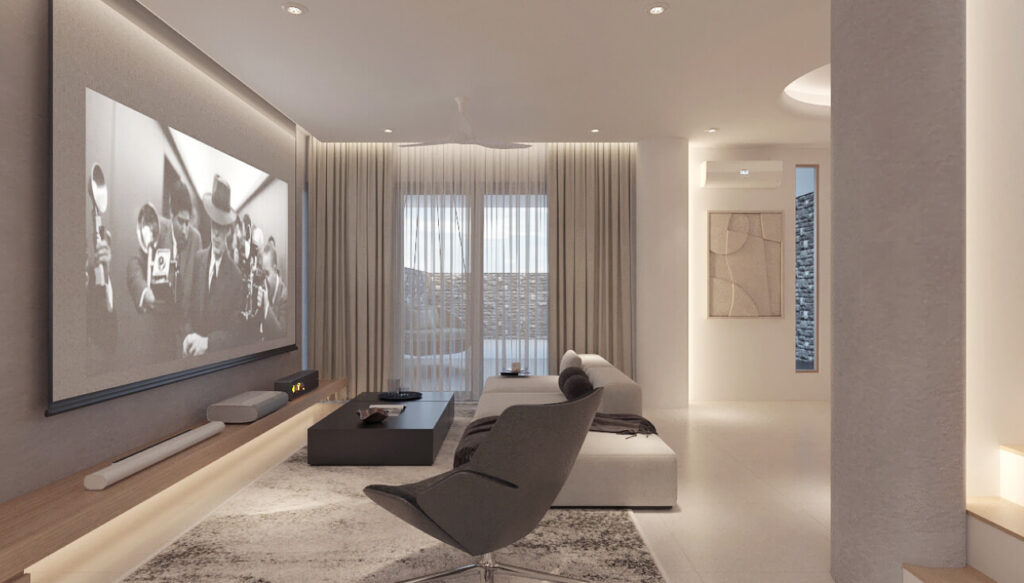
If your goal is to let music move freely between spaces, choose lower and smaller furniture to reduce any obstruction of sound waves. (Jalan Jurong Kechil).
Kean, Homescape: Upholstered furniture softens and mellows sound, while sleek finishes like leather, glass, and metal reflect it. A well-designed living room often uses both soft textures to absorb echoes and hard surfaces to maintain clarity.
Reuben Goh, TC Acoustic: When planning built-ins, consider how your soundbar will breathe. A tight media console can trap bass and block upward-firing drivers, ultimately reducing clarity and distorting sound. Open shelving ensures it performs as designed, especially for models like the Sonos Arc Ultra, where those upward-firing drivers create a more immersive soundstage.
3. Doors, Windows, and Curtains: Framing the Acoustics
Doors and windows aren’t just aesthetic choices. They frame how sound enters and leaves a space. Thin or hollow-core doors tend to leak sound easily, so what’s meant to be a quiet movie night can quickly become background noise for the rest of the house (or your neighbours). Solid wood or acoustic-rated doors, however, seal sound in, allowing for richer, more immersive listening.
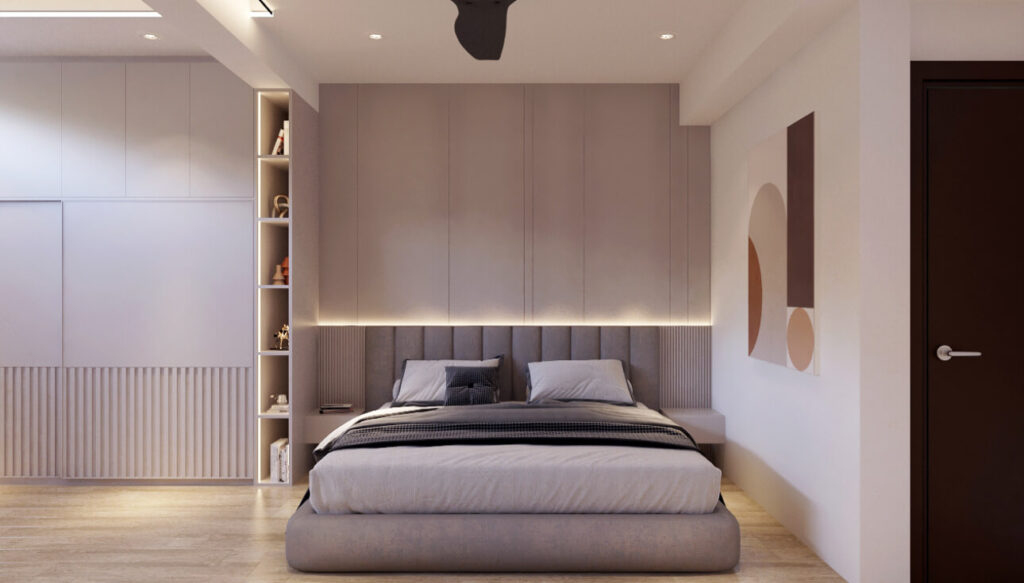
This unit at Gerald Drive uses heavy curtains to absorb excess sound, creating a quieter ambience in the bedroom.
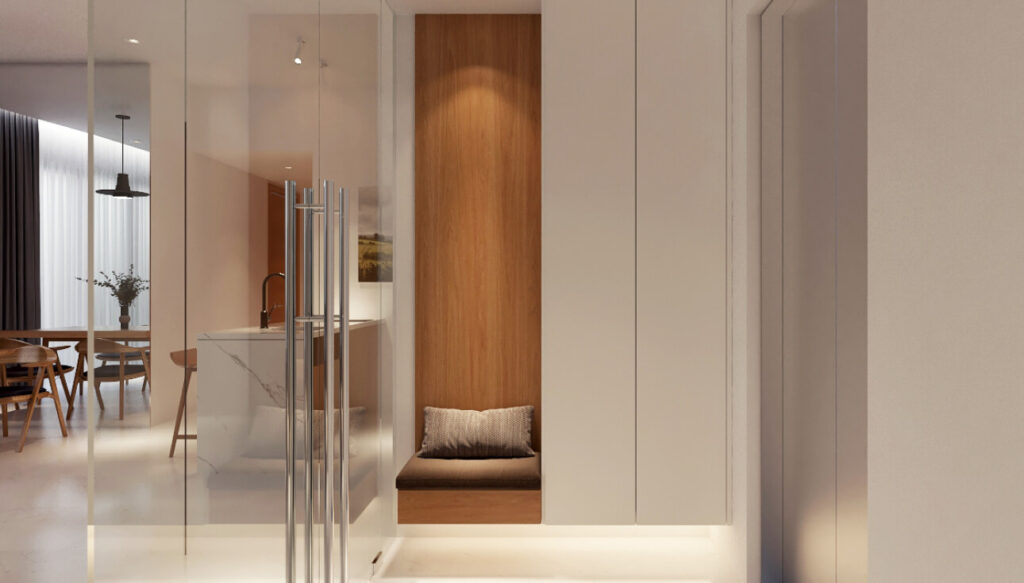
A large glass window in the private foyer of this St Thomas home allows the homeowners to see who has come up the lift, but it also reflects sound, especially in a small space like this foyer.
Windows, especially large glass panes, reflect higher frequencies. That’s why rooms with floor-to-ceiling glass can sometimes sound “bright” or slightly harsh. Adding window treatments, such as heavy drapes, Roman shades, or textured blinds, helps absorb excess sound and soften reflections.
Kean, Homescape: In entertainment zones like living rooms, opt for layered curtains or sound-absorbing blinds. In social areas like dining rooms, lighter sheers can strike a balance between style and acoustic comfort.
Reuben Goh, TC Acoustic: Where you position your speakers matters. Place a Sonos Era 100 or 300 near curtains or fabric-covered walls, and you’ll get a warmer, more rounded sound; set it closer to glass or tile, and the audio becomes brighter and more detailed. Use these natural acoustic contrasts to tailor the atmosphere of each room. Just be sure to leave some space on the sides and top of the speakers as well!
Soundproofing: The Overlooked Design Advantage
Soundproofing isn’t just for recording studios — it’s a design choice that can make your everyday living far more comfortable. It’s about creating control: controlling what you hear, and what others don’t.
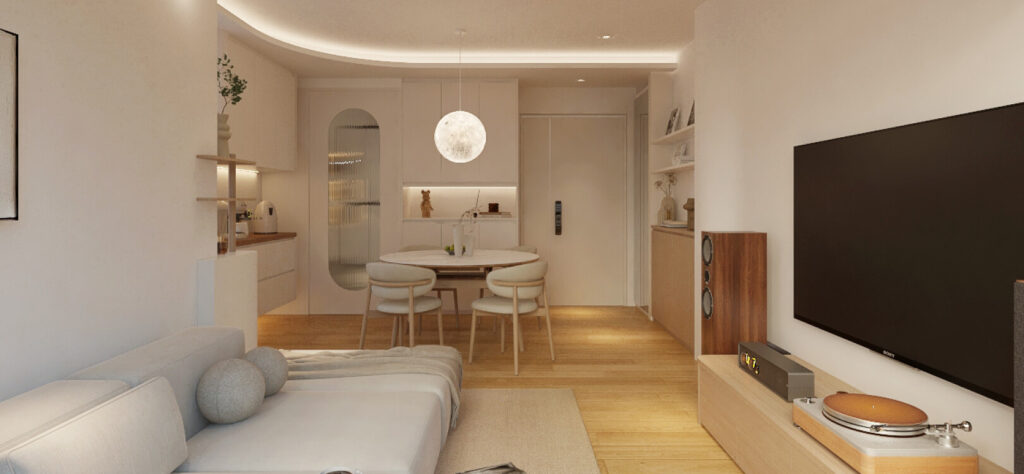
By reducing sound leakage between rooms, you can enjoy immersive sound without disrupting others. Imagine being able to stream your favourite podcast in the kitchen while your partner takes a video call in the study — both perfectly clear, without overlap.
There are several ways to soundproof effectively:
- Acoustic Wall Panels
Add texture and design interest while absorbing sound. - Insulated Drywall or Partitions
Ideal for homes where media rooms share walls with bedrooms. - Underlay Pads Beneath Flooring
A hidden but effective way to reduce impact noise. - Solid Wooden Doors with Door Seals
These help block airborne noise and prevent sound from leaking through small gaps.
Pro-tip: Plan soundproofing early, ideally during the design stage of your renovation. It’s easier to incorporate and underlay acoustic materials within floors, walls, or ceilings before your finishes go up, ensuring a seamless aesthetic with the overall interior design of your home.
What Is Multi-Room Audio, and Who Is It For?
You’ve seen how design shapes the way sound feels. The right mix of textures, furniture, and finishes can bring a room to life. But sound doesn’t have to stay in one place. Imagine your favourite playlist following you seamlessly from the kitchen to the living room, or soft jazz greeting you the moment you step into your bedroom.
That’s the beauty of multi-room audio — sound that moves with you, effortlessly blending into your home and your routine. You can play the same song throughout the house, or set each room to its own mood: upbeat in the kitchen, ambient in the study, or mellow in the bedroom.
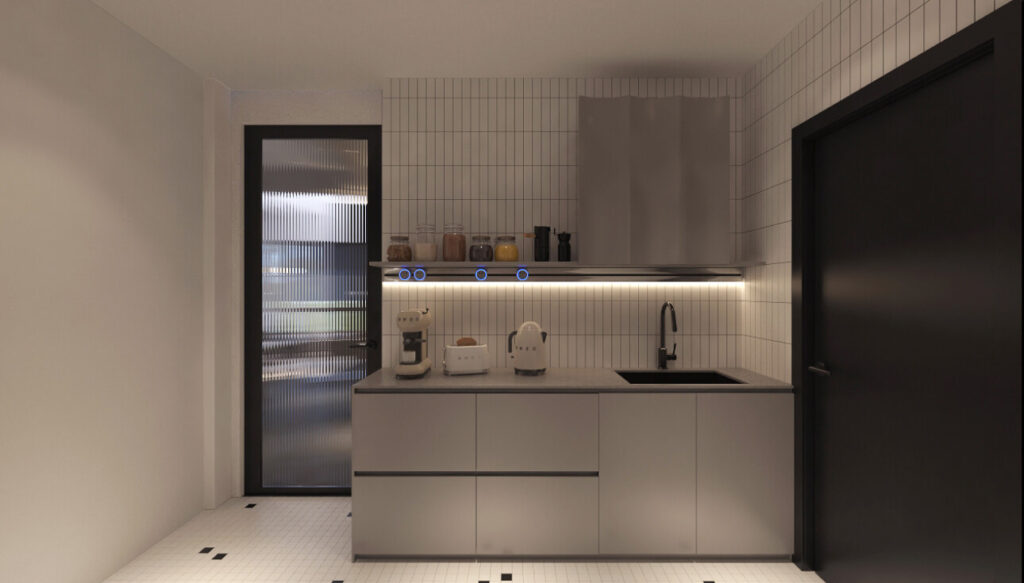
Enclosed kitchens that are separated from the living rooms? Multi-room audio is ideal for homes like these. (St Martin).
It’s perfect for homeowners who value comfort, convenience, and design — the kind who want their home to look good and sound even better. But to make the most of it, the key is to design your home around how sound moves through your space.
Here’s an example of how you can set up your home’s multi-room audio to make the most of every moment.
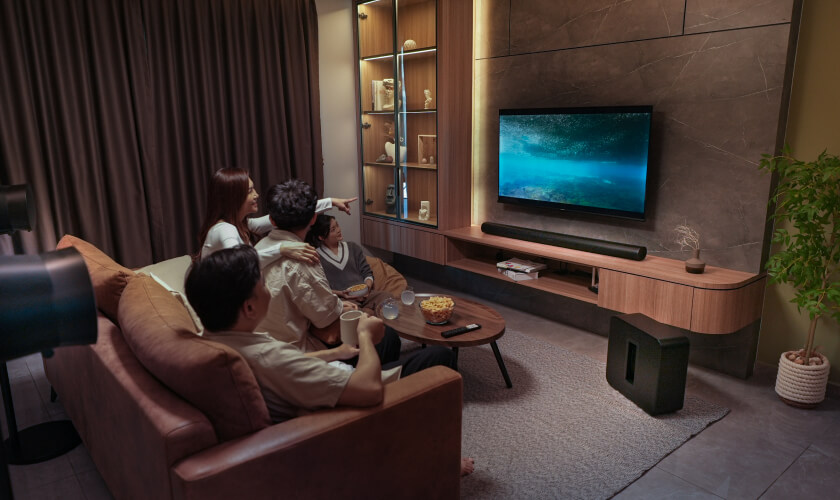
Living Room: Sonos Arc Ultra + Sub 4
Epic, spacious home cinema that pulls you into every scene and fills the room with low-end power that hits just right.

Dining: Sonos Era 100
A versatile speaker with next-gen acoustics that takes home dining to the next level.

Kitchen: Sonos Era 300
A compact stereo speaker that fills the kitchen with rich, energetic sound, making prep, cook, and clean feel a little more enjoyable.
Sonos’ wireless speaker systems not only deliver top-tier sound quality but also integrate seamlessly into your home’s design, allowing you to enjoy music without the need for complex wiring and reducing visual clutter.
Pro-tip: If you prefer a more minimalist look, consider in-ceiling or in-wall architectural speakers. These built-in options sit flush with the ceiling or walls and create a clean, integrated finish while still providing impressive sound.
No matter whether you choose the wireless speakers or architectural speakers, Homescape can plan all the details during the renovation stage so the result feels completely seamless. This includes thoughtful placement of power points and any concealed wiring needed for a flawless installation.

Why Plan Ahead with Homescape
At Homescape, we believe great design isn’t just about how things look — it’s how they work together. Our Design Consultants plan your home’s electrical and speaker placements early, ensuring every Sonos system fits seamlessly into your home’s aesthetic.
From concealing cables to balancing materials for improved acoustics, we ensure your home sounds as good as it looks — clear, consistent, and deeply comfortable.
If you are considering renovating your home with acoustics, contact Homescape, your trusted interior designers in Singapore. Or, visit the Sonos flagship store at Orchard Road for the real, multi-room audio experience.