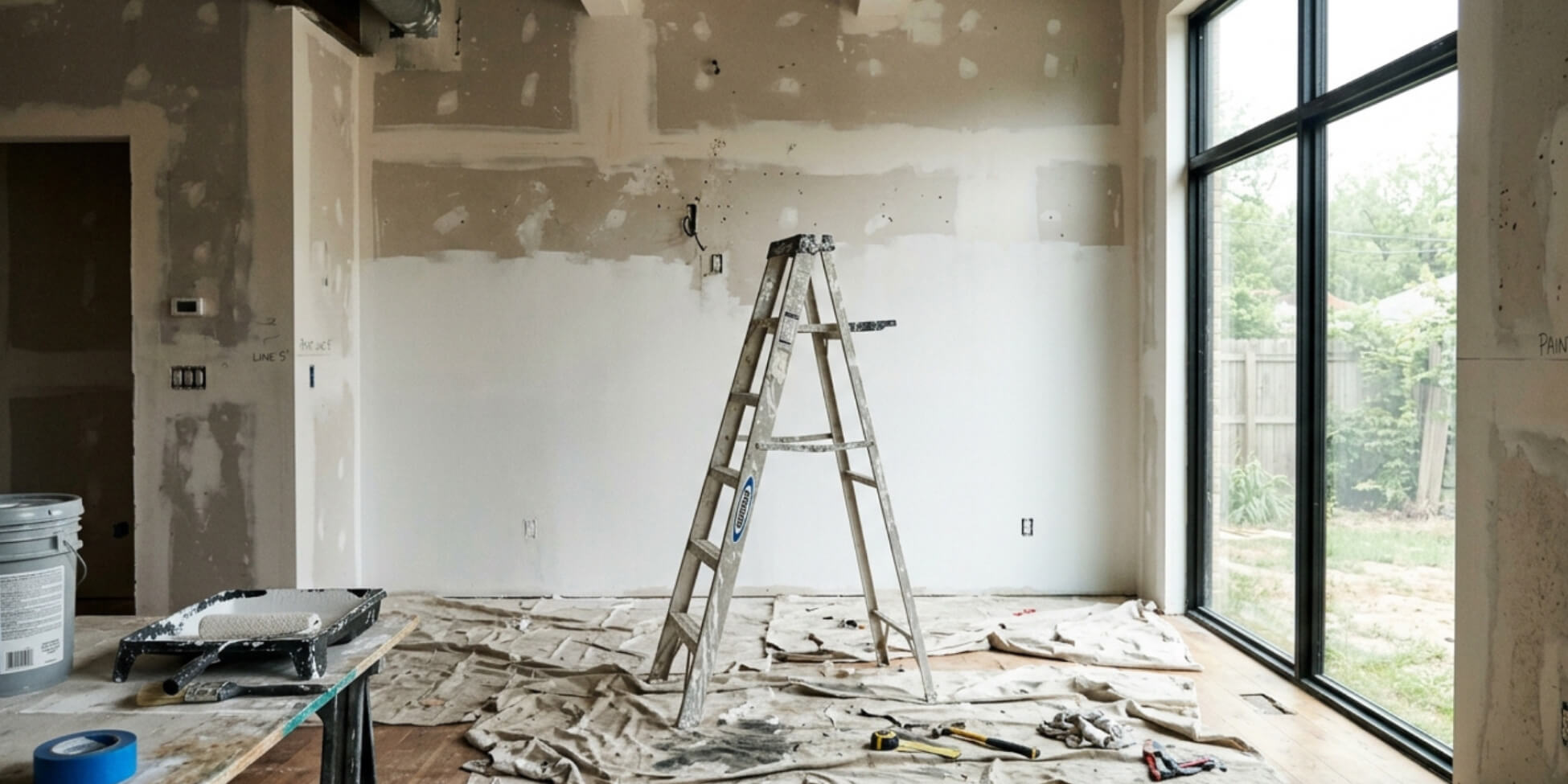


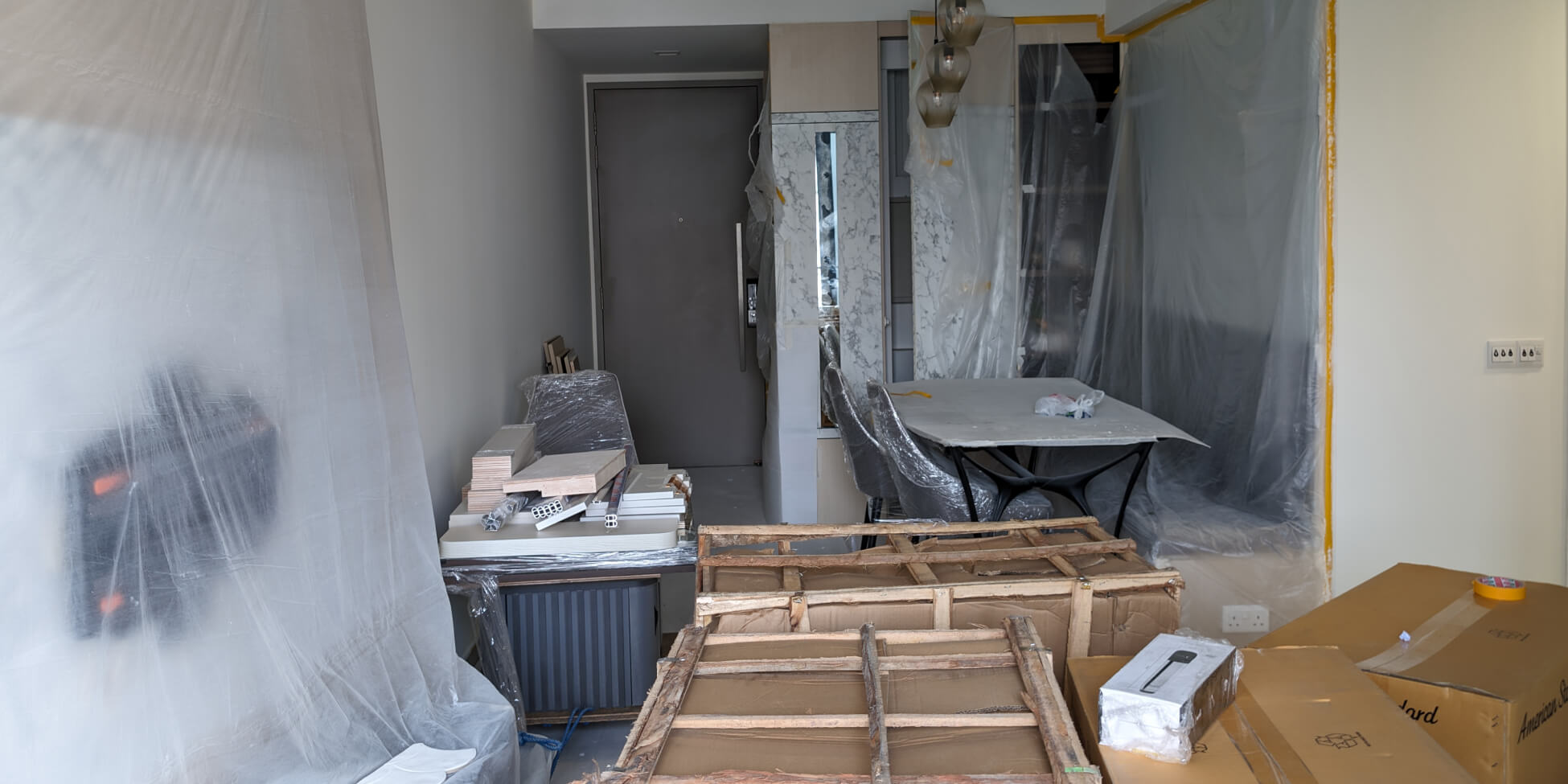
Whether you're buying your first condo in Singapore or considering an upgrade to a landed property, remember that the cost of the home is only part of the equation. Conversations often focus on price, location, facilities, and resale value of the home itself, but renovation scope is the hidden variable that can change everything.
This guide breaks it down for you, so you’re not blindsided by unexpected costs or forced to compromise on what you really want.
Whether you're planning a condo renovation or exploring a complete landed property renovation in Singapore, understanding the implications early can help you make a more informed property decision.
1. Entry Price vs Renovation Commitment
The landed vs condo debate almost always starts with purchase price. But what buyers frequently miss is that the cost of ownership extends well beyond that.
| Condo in Singapore | Landed Property in Singapore |
| Generally lower entry price (especially OCR and RCR) | Higher upfront purchase cost |
| Renovation is typically interior and cosmetic: flooring, carpentry, lighting | Older homes may require major renovation or a full rebuild |
| Predictable budget with fewer structural surprises | Renovation budget can rival or even exceed the purchase price |
| Ideal for buyers who want to move in quickly | Requires long-term capital planning from day one |
In short: Condo or landed? If budget certainty matters to you, purchasing a condo wins on entry. If you're thinking long-term and see the home as a canvas, landed property in Singapore offers more freedom than a condo simply cannot.
2. Location Trade-Offs: City Proximity vs Renovation Potential
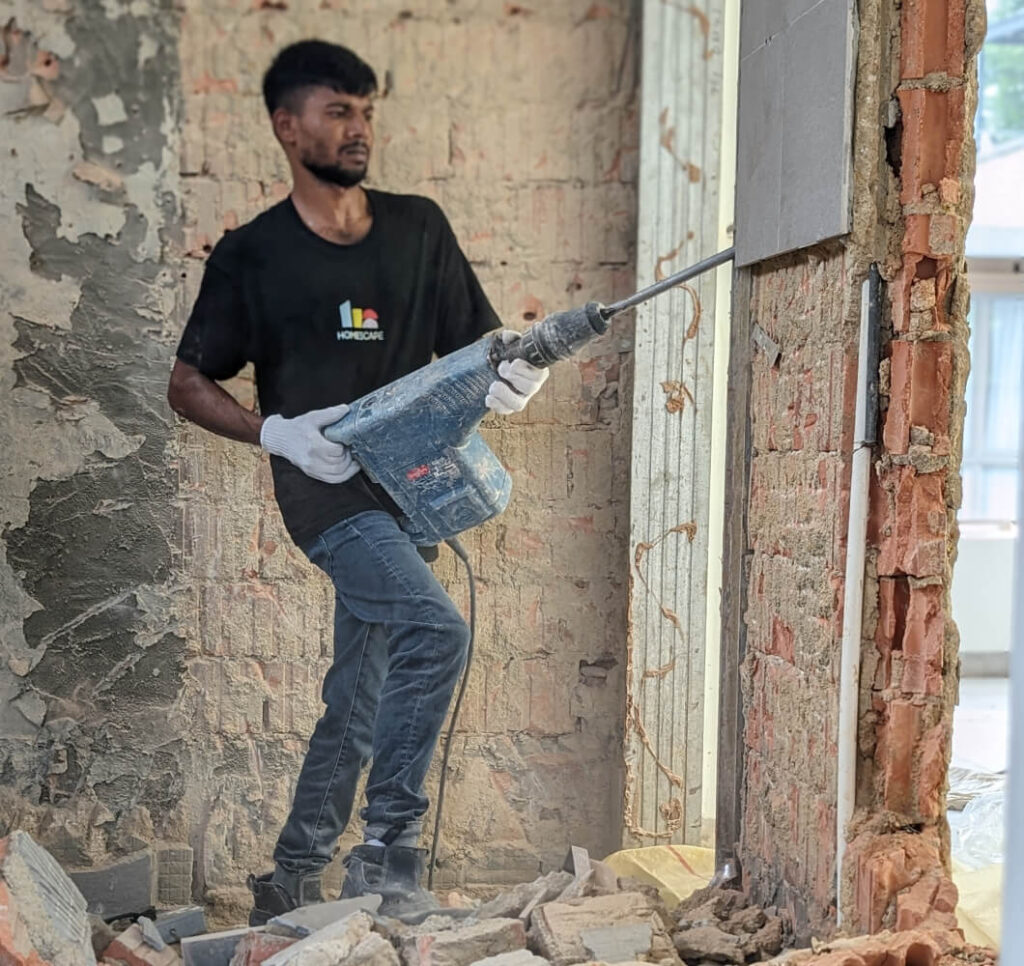
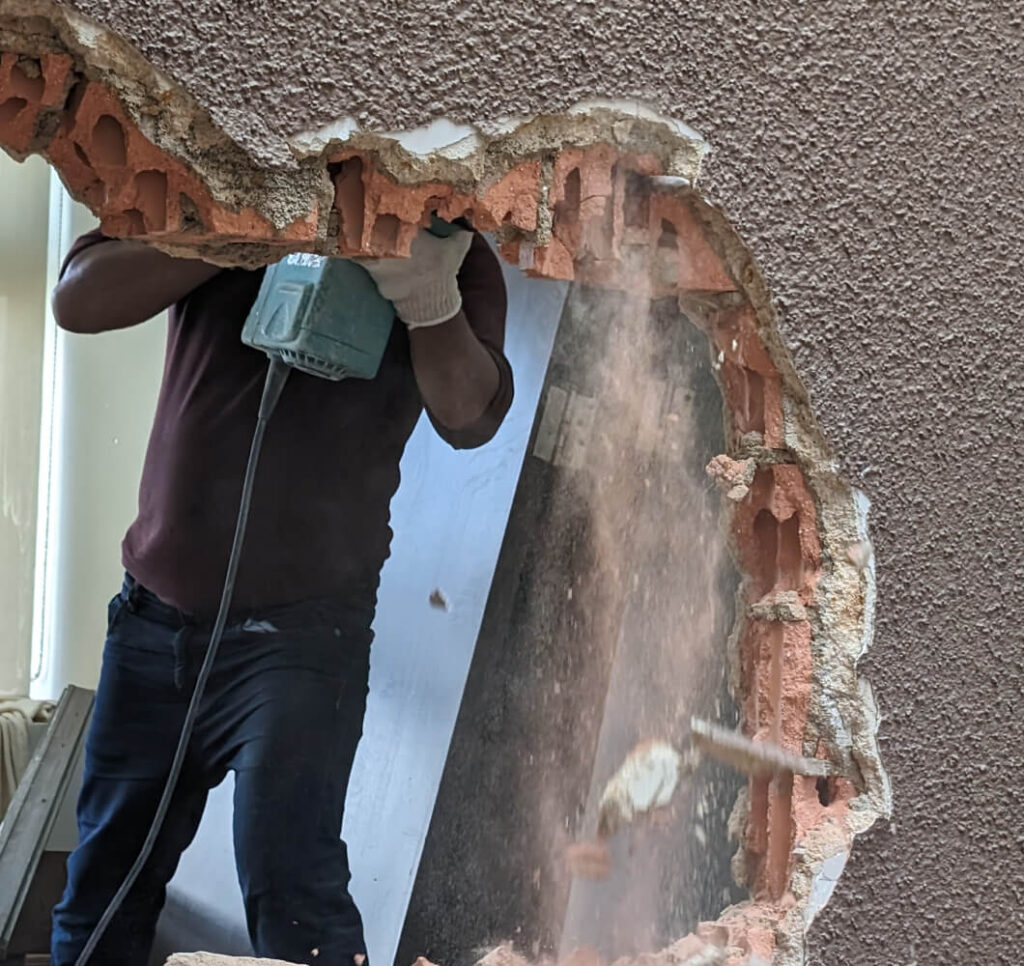
In the condo vs landed property Singapore conversation, location shapes renovation decisions in ways that go beyond the commute. Condos closer to the city often sit in denser, more regulated developments and renovation scope is more limited. Landed homes, often found further away from the city, carry more age and character, but also bear more renovation scope.
For example, an older terrace house in Serangoon or a semi-D in Bukit Timah may need full rewiring, new waterproofing, or an entirely new kitchen — even before you've thought about the aesthetic. The payoff however, is transformation potential that no condo renovation can match. Understanding the types of landed property in Singapore can also help homeowners better anticipate the scope of renovations, costs, and structural limitations.
3. What You Can (and Cannot) Change
This is where the landed or condo Singapore decision gets genuinely structural.
| Condo Renovation Constraints | Landed Renovation Freedom |
| Structural walls cannot be hacked | Full layout reconfiguration is allowed within URA and BCA guidelines |
| MCST approval is required for most works | Freedom to add rooms, levels, or even a basement |
| Wet works are limited by stack position | Control over façade and exterior design |
| Height, façade, and window changes are not permitted | Longer permissible working hours for contractors |
| Working hours are strictly regulated by management | Greater scheduling flexibility during critical build stages |
In short: Condo renovations are an exercise in optimisation. You work within fixed boundaries to extract maximum value. Landed property renovations are about reinvention, where you can shape the space entirely on your own terms.
4. What Does Renovation Actually Cost?
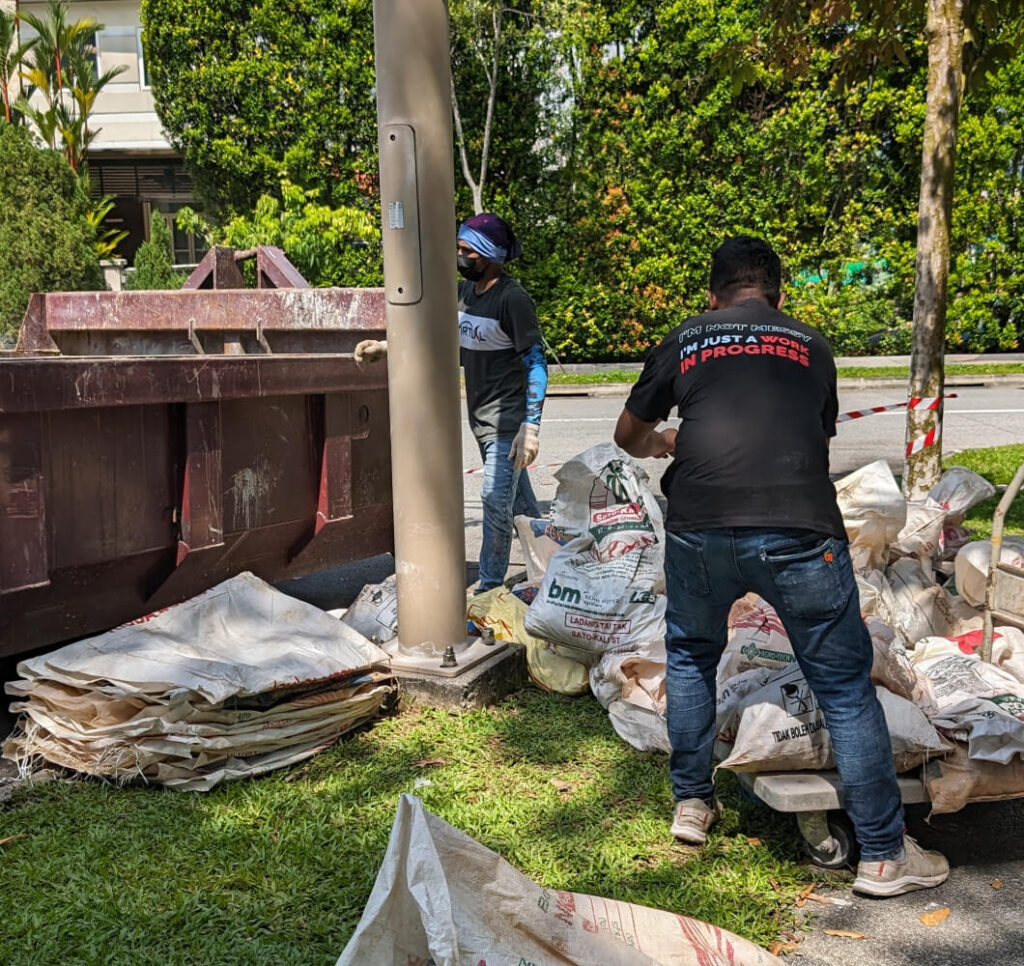
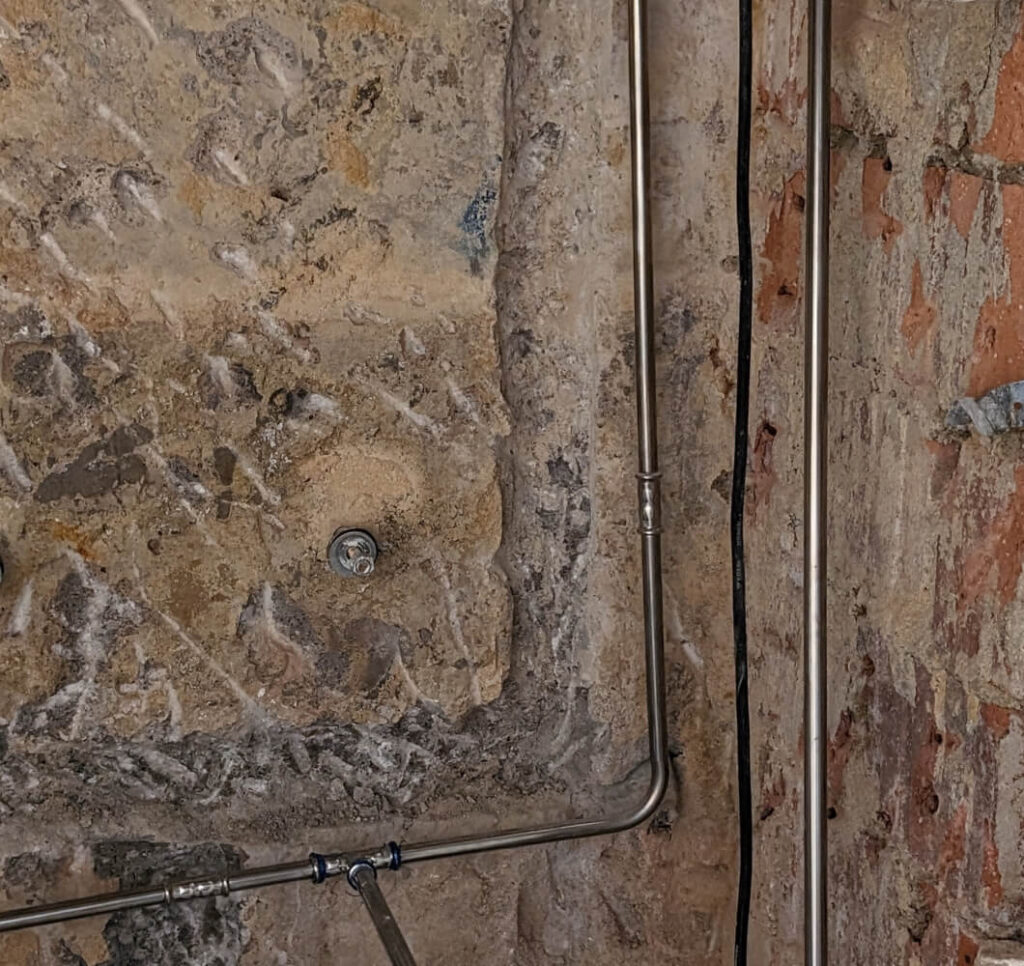
Numbers matter. Here's a typical estimate of what both property types tend to demand — although there are essentially no limits for either budget.
| Condo Renovation Estimate | Landed Renovation Estimate |
| S$50k - S$150k Typical condo renovation range | S$300k - S$1M+ Major A&A or rebuild for landed |
Condo renovations are leaner by nature. This means lower risk of cost overruns, fewer consultants required, and the scope is contained. Before committing to a landed home, it’s important to understand the full landed property renovation cost, especially for projects involving A&A works, rebuilding, or premium customisation. If you're comparing landed vs condo purely on renovation budget, condo wins — by a wide margin.
That said, landed properties in Singapore that have been thoughtfully renovated appreciate in ways that a cookie-cutter condo rarely does. The investment calculation looks different over 10 - 20 years.
5. Timeline: Weeks vs Months (or Years)
| Condo Timeline | Landed Property Timeline |
| Typically 6 - 12 weeks from start to finish | 4 - 6 months for Additions & Alterations (A&A) |
| Restricted to MCST-approved working hours | 12- 24 months for a full rebuild |
| Delays possible due to neighbour complaints | More predictable once planning approvals are secured |
| Faster move-in overall | Greater scheduling flexibility for contractors |
In short: If you need to move in within three months, the condo vs landed answer is clear. If you're prepared to rent in the interim and invest in something that's truly yours, from foundation to roofline, landed property in Singapore rewards that patience.
So: Landed vs Condo — Which Is Right for You?
| Choose a Condo If You: | Choose Landed Property If You: |
| Prefer predictable renovation costs | Want full design and structural freedom |
| Want a faster move-in | Are prepared for longer renovation timelines |
| Value facilities and location over customisation | See renovation as a long-term investment |
| Are renovating on a tight or fixed budget | Want a home that's entirely yours — no MCST |
Renovation Is the Hidden Deciding Factor
The purchase decision doesn't end at the price per square foot. Whether you're debating landed property vs condo in Singapore, the renovation variables of cost, timeline, creative freedom, and approval complexity should carry real weight in your final call.
Choosing between a landed property or condo is ultimately choosing how much control you want over your home: over its structure, its character, its future. Neither answer is wrong. But both answers are incomplete without a renovation plan.
It's More Than Just Design.
At Homescape, we’re with you every step of the way, from the moment you get your keys to the moment you move it, from budgeting and planning, to getting approvals and executing. We take a realistic, holistic approach to renovation planning — factoring in all costs upfront so there are no unwelcome surprises.
Whether you’re renovating a landed or condo in Singapore, we tailor our advice to your budget, timeline, lifestyle, and design goals, so you don’t have to compromise on quality or cost.
Most importantly, our renovation contractors in Singapore guide you on the best way forward, helping you make informed decisions with clarity and confidence.