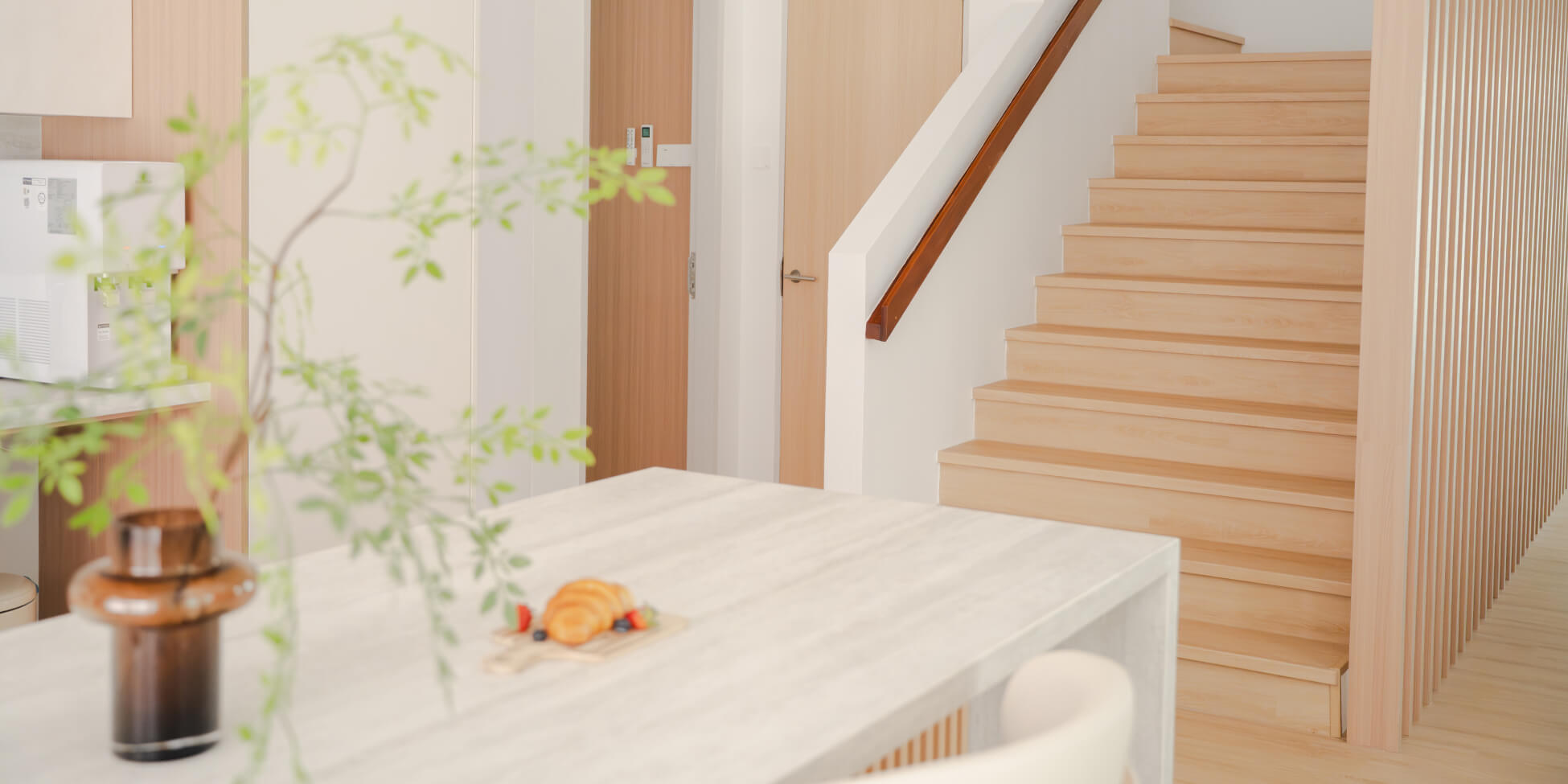



Choosing the right interior designer in Singapore is no longer just about finding someone with a beautiful portfolio. In 2026, homeowners are becoming far more intentional about functionality, long-term liveability, smart renovation planning, and contractor reliability. Whether you are renovating a BTO flat, resale HDB, condominium, landed property, or even a commercial space, the interior designer you choose can determine whether your renovation becomes a smooth investment or an expensive headache.
Singapore's renovation market has also evolved significantly. Homeowners today are prioritising warm, practical spaces, flexible layouts, sustainable materials, and smart home integration over purely aesthetic trends.
This guide explains exactly how to choose an interior designer in Singapore in 2026, helping homeowners compare firms, understand renovation processes, and make informed decisions for their home interior design Singapore project.
Why Choosing the Right Interior Designer Matters
An interior designer does far more than pick colours and furniture. A good designer helps you:
- Optimise space efficiently
- Plan layouts that suit your lifestyle
- Coordinate contractors and suppliers
- Prevent costly renovation mistakes
- Stay within budget
- Ensure compliance with HDB or condo management regulations
- Manage project timelines and quality control
In Singapore, where homes are often compact and renovation costs are high, practical planning matters even more. Many homeowners are now prioritising multifunctional layouts, hidden storage, and designs that age well over trendy aesthetics.
How to Choose an Interior Designer in Singapore: A Step-by-Step Guide
Step 1: Understand What You Actually Need
Before contacting any interior design firm, define your goals clearly. Start by identifying the type of property you are renovating, as different properties require entirely different expertise.
HDB Flats (BTO and Resale)
HDB renovations often involve space optimisation, storage planning, HDB permit compliance, and compact kitchen and bathroom solutions. Resale flats may also require hacking of existing finishes, electrical rewiring, and plumbing overhauls, all of which add complexity and cost.
Condominiums
Condo renovations typically focus on premium finishes, modern aesthetics, smart home integration, and compliance with condo management restrictions on working hours, material haulage, and noise.
Landed Properties
Landed property renovations in Singapore require designers experienced in multi-level space planning, lighting strategy, outdoor integration, and structural coordination. These renovations are considerably more complex and demand holistic planning across larger, more varied spaces. Consultations provide an opportunity to assess communication and professionalism.
Commercial Spaces
If you are renovating an office, retail unit, or commercial space, look for a firm with proven commercial interior design experience. Commercial projects carry their own regulatory requirements, functional demands, and foot traffic considerations that residential specialists may not be equipped to handle.
Step 2: Set a Realistic Renovation Budget
One of the biggest renovation mistakes in Singapore is underestimating costs. Material prices and labour costs have continued rising in recent years, particularly for carpentry, imported tiles, laminates, and electrical work.
Budget Categories to Consider
| Category | Typical Cost Impact |
|---|---|
| Carpentry | High |
| Flooring | Medium to High |
| Electrical Work | Medium |
| Plumbing | Medium |
| Smart Home Systems | Optional but growing |
| Lighting | Medium |
| Furniture and Styling | Variable |
| Contingency Buffer | Essential |
Always reserve a contingency buffer of at least 10 to 20 percent. For resale or older properties, concealed plumbing issues, uneven flooring, and rewiring surprises are not uncommon and they are rarely cheap to resolve mid-project.
Step 3: Look Beyond Beautiful Portfolios
A visually impressive portfolio does not automatically mean the designer is right for you. One common complaint among Singapore homeowners is that many portfolios look almost identical, featuring the same neutral palettes, fluted panels, curved walls, and built-in carpentry.
Instead of only asking "Does this look nice?", ask "Would this design actually work for my lifestyle?"
Evaluate Portfolios Based On:
- Functionality: Does the space feel practical and liveable, or purely decorative?
- Space Planning: Are small rooms used intelligently with thoughtful zoning and storage?
- Lighting: Is lighting layered properly across ambient, task, and accent sources, or is it overly reliant on cove lighting alone?
- Storage Integration: Does the home feel spacious and considered, or overloaded with built-ins for the sake of it?
- Design Variety: Can the designer genuinely adapt across styles, or do all projects look like the same template?
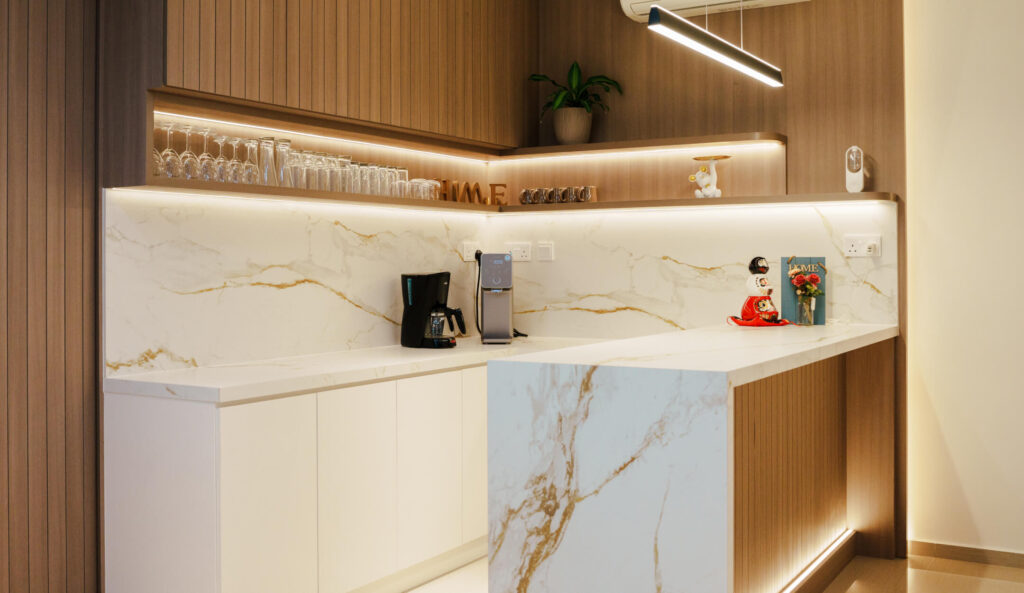
Firms like Homescape, whose portfolio spans HDB flats, condominiums, landed homes, and commercial spaces across diverse aesthetics, demonstrate real design range, rather than a single house style applied to every client.
Step 4: Check Whether the Designer Understands Singapore Living
A good Singapore interior designer should understand the realities of local living, including humidity-resistant materials, compact layouts, ventilation challenges, HDB regulations, natural lighting limitations, and smart storage solutions.
In 2026, Singapore homeowners are increasingly favouring:
- Warm minimalism with soft neutrals and natural textures
- Japandi-inspired interiors that balance simplicity with warmth
- Flexible, multifunctional layouts suited to hybrid working
- Sustainable, long-lasting materials over fast-trend finishes
- Smart home integration for lighting, security, and climate control
- Textured, lived-in aesthetics rather than sterile, showroom-like spaces
Your designer should understand how to apply these trends practically to your specific home, not simply copy what is popular on Pinterest or Instagram.
Step 5: Ask Detailed Questions During Consultations
The consultation phase tells you a great deal about how a designer actually works. Come prepared with your floor plan, a rough budget, your must-haves, and references for your preferred style. The more specific you are, the more useful the designer's response will be.
About Process
- How do you manage renovation timelines?
- Who handles project management on-site?
- How frequently will I receive progress updates?
About Budget
- What commonly causes budget overruns?
- Is the quotation fixed or variable?
- What items are excluded from the quote?
About Contractors and Workmanship
- Do you use in-house contractors or subcontract the work?
- Who supervises workmanship quality on site?
About Design
- How do you tailor designs to different lifestyles rather than applying a standard template?
- Can designs be adapted if my needs change during the project?
About Materials
- Which materials perform best in Singapore's humidity and climate?
- Which finishes are the easiest to maintain long-term?
Pay close attention to how your consultant responds. A firm that gives honest, specific answers, including acknowledging potential challenges, is far more trustworthy than one that promises everything without qualification. A reliable firm should also be responsive between meetings; a proven track record of responding within three hours, as Homescape commits to, is the kind of standard worth asking about directly.
Many homeowners focus heavily on design concepts but overlook the importance of asking the right questions during consultations. Knowing what to ask before choosing a renovation company in Singapore can help uncover potential issues before contracts are signed.
Step 6: Compare Quotations Properly
Never compare quotations based on total price alone. A cheaper quote may deliberately exclude items such as electrical points, demolition, haulage, painting, waterproofing, hardware quality, smart systems, and project management fees, all of which add up significantly.
Compare quotations based on these factors instead:
| Factor | Why It Matters |
|---|---|
| Scope of work clarity | Prevents hidden costs from surfacing later |
| Material specifications | Avoids low-quality substitutions without your knowledge |
| Renovation timeline | Directly impacts your move-in planning |
| Warranty coverage | Protects you against poor workmanship after handover |
| Payment schedule | Reduces your financial risk throughout the project |
| Design revision allowances | Avoids unexpected charges for changes |
Step 7: Understand the Difference Between a Design + Build Firm and a Pure Interior Designer
Not all renovation firms operate the same way, and this distinction matters enormously for your renovation experience.
Pure Interior Designers
Interior design consultancies typically provide space planning, 3D visualisation, material selection, and styling guidance. However, they often outsource the actual construction and installation works to third-party contractors. This creates an additional layer of communication, and when things go wrong, accountability can become blurred between the designer and the contractor.
Contractors Only
Contractors focus purely on construction execution, labour, and installation. Without a designer guiding the process, the aesthetic and functional outcomes depend entirely on how well you brief them yourself.
Design + Build Firms
A Design + Build firm combines both under one roof. Design, project management, and all physical renovation works — masonry, carpentry, electrical, tiling, flooring, plumbing, and more — are handled by a single, integrated in-house team. This model eliminates the communication gap between designer and contractor, reduces the risk of delays and inconsistencies, and gives you a single point of accountability throughout the entire project.
When evaluating firms, ask directly: is your renovation team fully in-house, or are works subcontracted out? The answer tells you a great deal about the level of control and consistency you can expect.
If you're still deciding which renovation approach suits your project, understanding the differences between an interior designer vs contractor vs DIY home renovation approach can provide valuable clarity.
Step 8: Read Reviews Carefully, But Read Them Correctly
While researching top interior designers in Singapore, focus on detailed customer experiences rather than star ratings alone. A five-star average with only a handful of reviews tells you very little. Look instead for patterns across a substantial number of client experiences.
Pay attention to:
- Communication quality — were clients kept informed throughout?
- Timeline consistency — did the project complete on schedule?
- Problem-solving — how did the firm handle unexpected issues?
- Transparency — were clients surprised by hidden costs or scope changes?
- After-sales support — did the firm follow through after handover?
How a firm handles problems is often more telling than whether problems arose at all. Every renovation encounters challenges. What separates a good firm from a poor one is whether those challenges are communicated honestly and resolved professionally.
A firm with satisfied clients and consistent, detailed positive testimonials across multiple platforms carries far more credibility than one with a polished website and minimal verifiable client feedback.
Step 9: Watch for These Major Red Flags
If you are wondering how to choose an interior designer Singapore homeowners consistently trust, avoiding these red flags is a good place to start.
Extremely Low Quotes
Quotes that seem significantly below market rate almost always involve hidden costs, low-quality materials, unqualified labour, or a scope that excludes essential works. You will likely end up paying more to fix problems than you would have spent choosing a reputable firm from the start.
Unrealistic Timeline Promises
Fast renovations are appealing, but a timeline that sounds too good to be true usually is. Rushed work creates quality problems that surface after you have already moved in.
Slow or Vague Communication
If a firm is difficult to reach or slow to respond before you have even signed a contract, expect that to worsen once payment has been made. Look for firms that commit to structured, regular updates — weekly progress reports and response times within three hours are reasonable standards to expect.
Generic, Templated Designs
If every project in a firm's portfolio looks identical regardless of the client or property, the firm is not truly designing — it is applying a formula. Genuine personalisation requires understanding your lifestyle, not just your preferred colour palette.
Excessive Outsourcing
When a firm outsources the physical renovation works to multiple subcontractors, it loses direct control over workmanship quality, timelines, and communication. If something goes wrong, you may find yourself caught between the designer and the contractor with no clear resolution path. Always ask whether the team carrying out the works is employed directly by the firm.
No Clear Contract or Warranty
Never proceed without a detailed contract covering the full scope of work, payment schedule, renovation timeline, material specifications, and warranty terms. Firms that are reluctant to commit these details in writing are firms that leave themselves room to disappoint. A workmanship warranty should be non-negotiable.
Step 10: Choose Someone You Can Actually Work With
Renovations in Singapore typically last six to ten weeks for smaller projects, and several months for larger or more complex homes. During that time, you will communicate with your designer and consultant constantly.
The best designer is not necessarily the cheapest, the most Instagram-famous, or the trendiest. The best designer is the one who genuinely understands your lifestyle, communicates clearly and consistently, plans realistically without overpromising, solves problems calmly and transparently, and balances beautiful aesthetics with practical, liveable design.
Take the time to meet at least two or three firms before committing. Pay attention not just to what they say, but to how they say it and how quickly and clearly they respond.
Interior Design Trends Shaping Singapore Homes in 2026
Understanding current trends helps you evaluate whether a designer is genuinely forward-thinking or simply recycling styles from a few years ago.
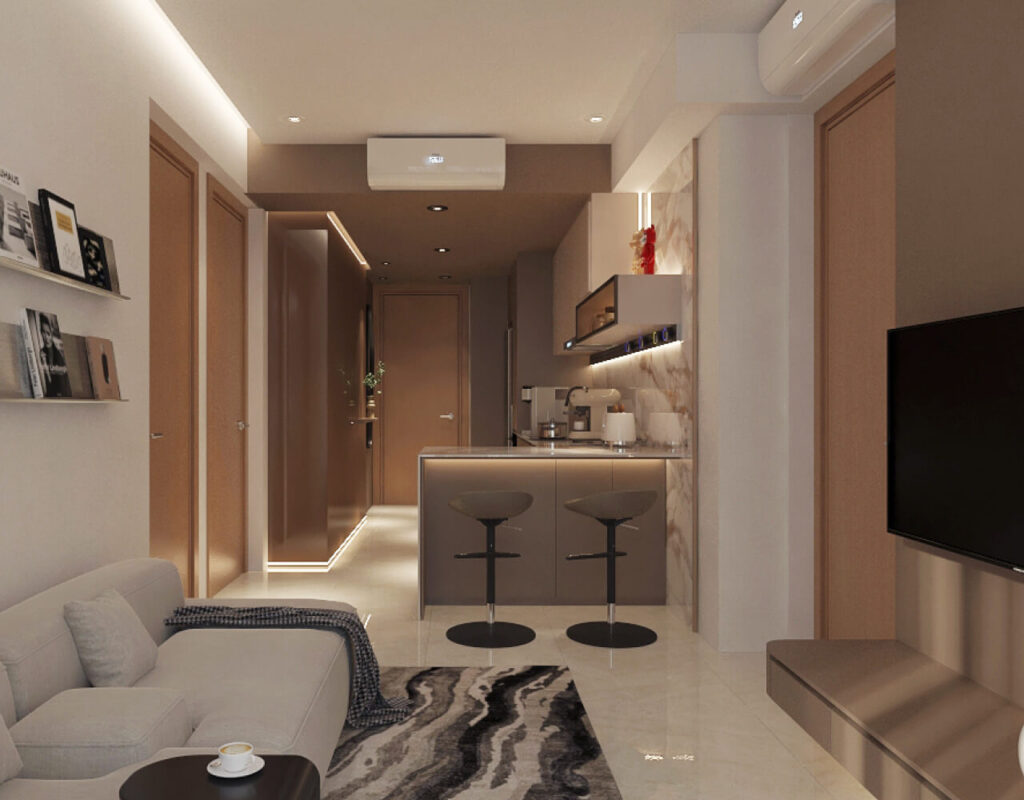
Warm Minimalism Soft neutrals, warm whites, and natural textures such as timber and stone are replacing the cold grey interiors that dominated the previous decade. The goal is spaces that feel calm and inviting rather than stark.
Multi-Functional Spaces With hybrid working now standard for many households, homes are increasingly designed to flex between work, rest, and family life. Dedicated study nooks, foldaway furniture, and flexible room configurations are now common briefs.
Smart Home Integration Smart lighting, automated blinds, digital locks, climate control, and home security systems are becoming mainstream even in HDB renovations. Firms with partnerships in smart home technology can integrate these seamlessly from the design stage rather than retrofitting later.
Textured and Layered Interiors Homeowners are moving away from the sterile, showroom aesthetic in favour of spaces that feel personal, warm, and lived-in. Textured wall finishes, layered soft furnishings, and curated lighting all contribute to this shift.
Sustainable and Long-Lasting Materials Rather than chasing fast trends, homeowners are investing in materials that hold up well over time, both aesthetically and structurally. Durability is now a design value in its own right.
Conclusion
Choosing the right interior designer in Singapore in 2026 requires far more than scrolling through Instagram portfolios or chasing the lowest quotation. The right firm should understand your lifestyle and long-term needs, be deeply familiar with Singapore housing regulations and realities, and have the experience, credentials, and in-house capability to deliver on what they promise.
Take time to research properly, compare firms carefully, ask the right questions, and look for verifiable track records — not just attractive renders. A well-planned renovation does not just change how your home looks. It changes how you live every single day inside it.
It's More Than Just Design.
Choosing an interior designer is one of the most consequential decisions you will make as a homeowner, and at Homescape, our interior designers in Singapore understand the weight of that choice. With over 30 years of experience across HDB flats, condominiums, landed properties, and commercial spaces, we have built our reputation not on aesthetics alone, but on delivering renovations that genuinely work for the people living in them.
As a full Design + Build firm, we bring designers, project managers, and renovation specialists — covering masonry, carpentry, electrical, plumbing, tiling, and flooring — under one integrated in-house team. No subcontractors to coordinate, no blurred accountability, and one dedicated consultant with you from your very first consultation to move-in day.
Book your free consultation today.
FAQs
How long does a typical HDB renovation take in Singapore?
A standard four-room HDB renovation typically takes between eight and twelve weeks from the commencement of works, depending on the scope. Full renovations involving extensive hacking, customised carpentry, bathroom overhauls, and electrical rewiring may take longer. Your designer should provide a clear, committed timeline before works begin and stand behind it.
What should I prepare before meeting an interior designer?
Bring a rough sense of your budget, a list of your must-haves, your preferred design references (even a Pinterest board helps), and the floor plan of your unit if available. The more specific you can be, the more tailored and useful the designer's initial proposals will be.
What warranties should a reputable interior design or renovation firm offer in Singapore?
At minimum, look for a 12-month workmanship warranty covering defects that arise after handover. Reputable firms also offer a lifetime warranty on carpentry hardware such as hinges and runners. Always confirm warranty terms in writing before signing any contract — a firm unwilling to commit to these in writing is a firm leaving itself room to disappoint.